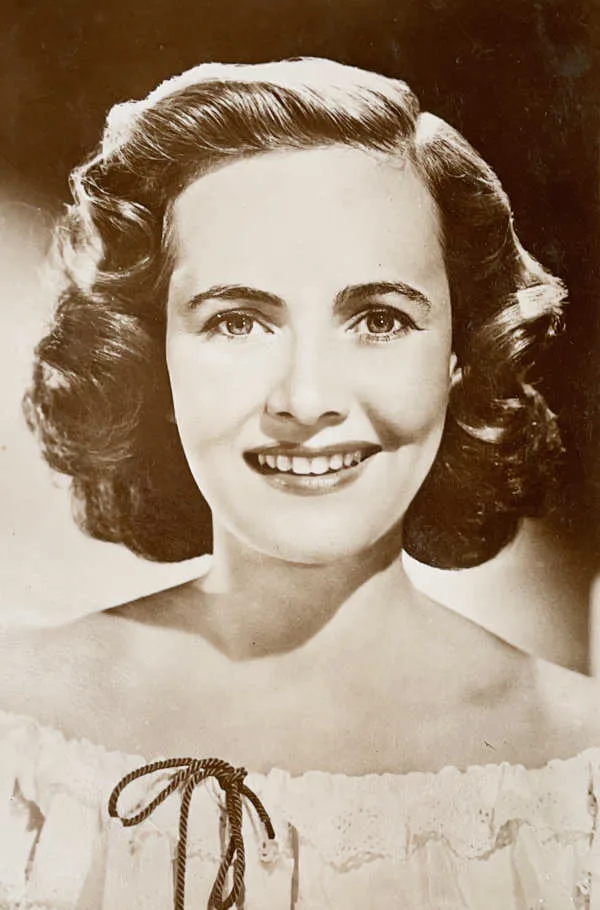
A brief history of the actor’s headshot
Ninety years of the actor’s headshot — a talk for actors and acting schools.
A 30–40 minute talk for drama schools, theatre schools and performing arts colleges: how the actor’s headshot changed over ninety years, and what it takes to be cast from one today in the AI era. It is free, and I come to you.
The talk
A casting director meets your headshot before your showreel, before your CV and even before you. The decision takes about three seconds. That is why the headshot matters more than its size suggests, and why it has a history worth knowing.
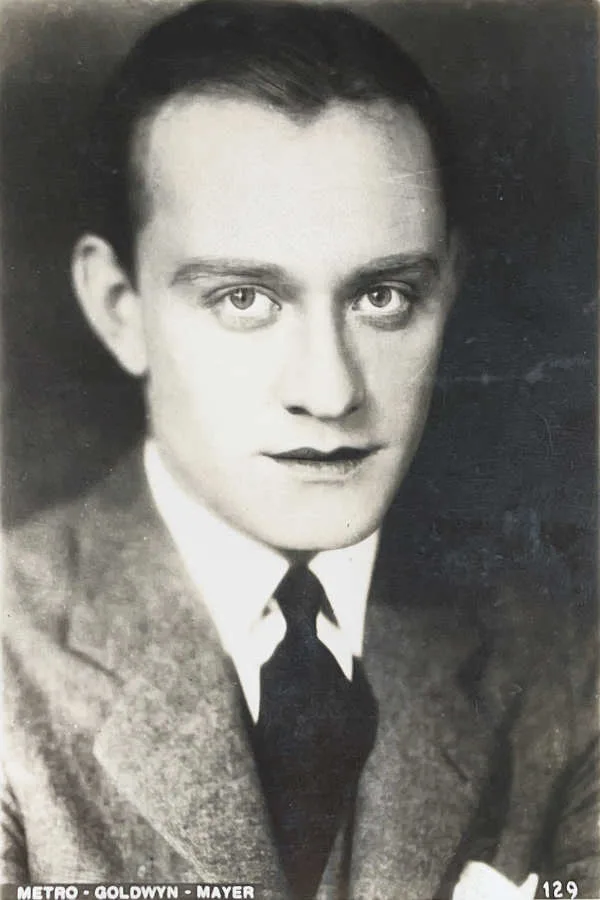
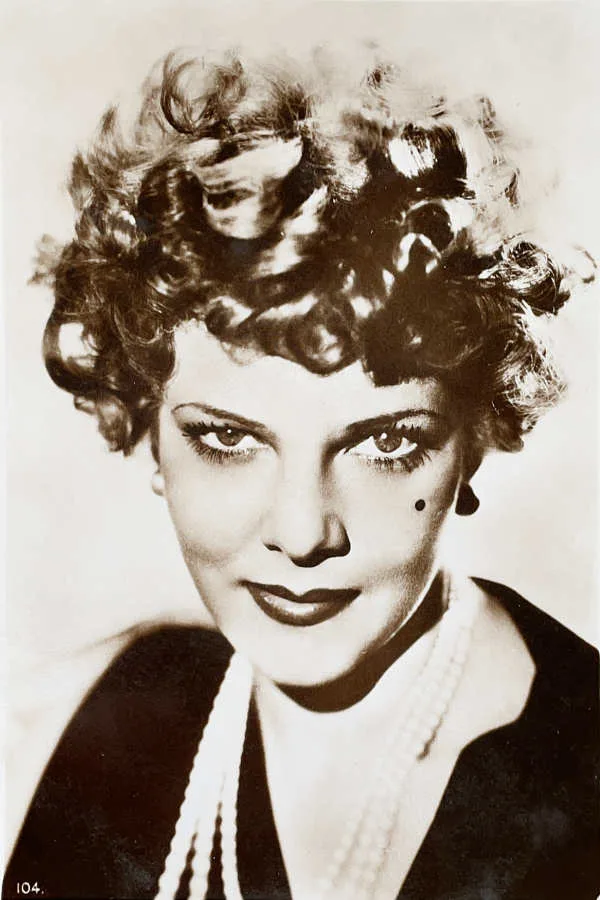
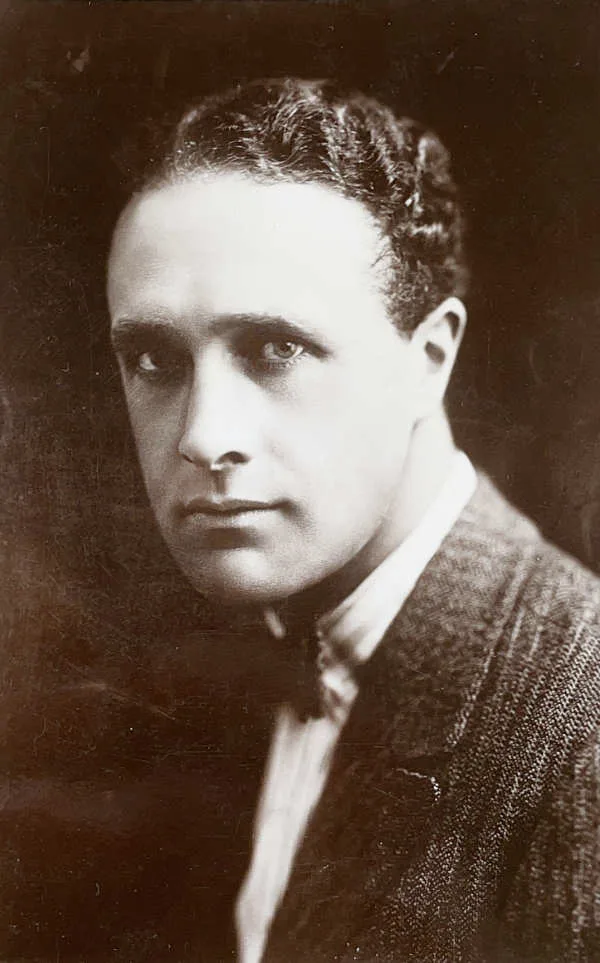
The talk takes the audience through ninety years of the actor’s headshot, from the Golden Age of Hollywood, to the rise of colour, and culminates in the digital age of personal branding and AI. From sample headshots, the audience will learn what changed and the one thing that will never change: the way actors get cast.
What your actors take away
- The 3-second rule — how casting directors really decide
- How to understand their own casting type
- A practical do’s and don’ts cheat sheet they can use the same week
- Why a real, human face is the greatest asset in the age of AI
The talk in practice
- Who it is for
- Drama schools, theatre schools, art schools, performing arts colleges, and theatre companies. Groups of young actors, from sixth form.
- How long
- 30 to 40 minutes, plus as much time for questions as you would like to give it.
- What it costs
- Nothing. All I ask is a few minutes at the end, to let anyone interested know how to book a headshot session with me.
- What I bring
- Everything that goes on the screen: the ninety years of photographs, the before-and-after, the game and the live mini-demo if you want. I need a screen or a projector, a socket, and a room that can be darkened a little.
- How it runs
- Interactive rather than a lecture: a game that shows how casting types work, before-and-after reveals, and a volunteer photographed on the spot at the end (optional).
- Tailored
- Happy to aim it at your group — a school, a college, a theatre company or a mixed year group — and to fit the time you have.
The talk in detail
The Golden Age of Hollywood (1930s–1950s)
There’s never been a better place to start than Hollywood. In the early days of Hollywood, headshots played a vital role in the casting process, perhaps more so than nowadays. As the film industry flourished, actors and actresses relied on these photographs to catch the attention of casting directors and studio executives. During this period, black and white headshots were the norm and of course, everything was captured on film.
The Rise of Color Photography and New Techniques (1960s–1980s)
With the advent of color photography in the 1960s, actors headshots underwent a significant transformation. Actors now had the opportunity to showcase their true colours, looks, style, and personality in vibrant hues. Color headshots added a new dimension to the casting process, allowing directors to assess an actor’s suitability for a particular role more accurately.
Digital Age and the Age of Personal Branding (1990s–Present)
The rise of digital technology revolutionised the entertainment industry, including the way headshots were taken and distributed. In the 2000s, digital cameras replaced traditional film, making the process more convenient and cost-effective. The internet and social media platforms and AI further transformed the landscape of actors headshots.
Today, actor headshots are diverse and reflect the individuality of each artist. Traditional studio portraits still have their place, but environmental portraits, capturing actors in their natural surroundings, have become increasingly popular. Additionally, headshots now often include variations in expression, showcasing the actor’s range and versatility. With the ubiquity of online casting platforms, headshots are essential in helping actors stand out in a highly competitive industry.
Book the talk
The four portraits above, left to right: Conrad Nagel (MGM, circa 1936), Elissa Landi (Paramount, circa 1936), Owen Nares (Foulsham & Banfield) and Teresa Wright (RKO Radio, circa 1950).